INSIGHTS / TOURISM & HOSPITALITY
Marketing Accommodation to Families, Couples and Solo Travellers
Use verified accommodation details to answer different traveller needs without relying on stereotypes or multiplying near-identical audience pages.
Digital Yak · Updated
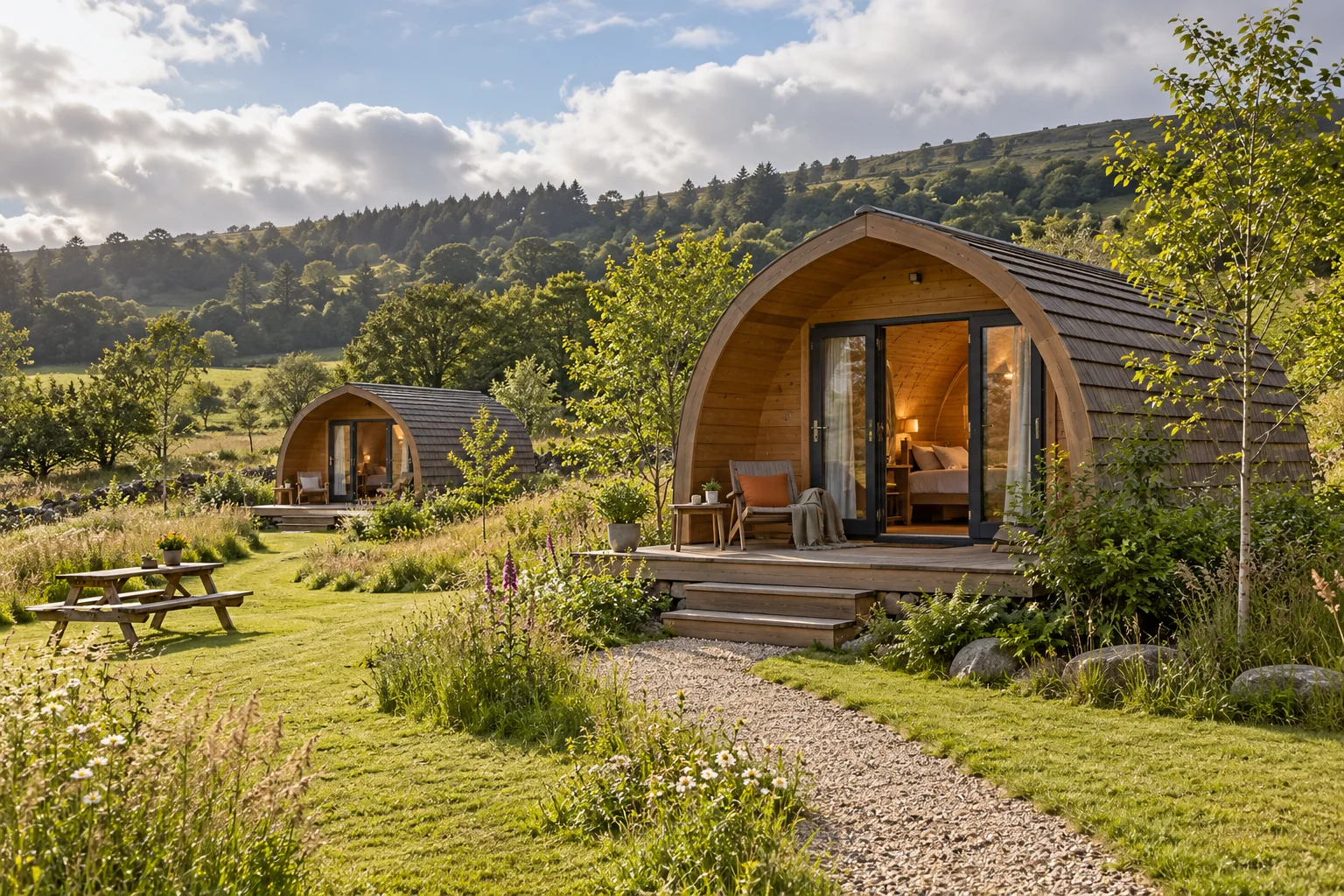
AI-created editorial illustration. Settings, properties and interfaces are fictional.
EXPLORE THE ARTICLE
Family, couple and solo are broad booking categories, not complete descriptions of what a guest wants. A solo traveller may want an active group experience or a quiet room. A family may include adults with different access requirements. Useful segmentation begins with the questions the property can answer.
Research decisions rather than inventing personas
Review booking questions, cancellation reasons and guest feedback. Identify practical needs such as bed configuration, dining times, room location, arrival arrangements and the total price for the intended occupancy. Distinguish observed patterns from a marketing team's assumptions.
Group related needs and ask whether the property has a suitable offer. Do not create a family campaign when important facilities are unavailable, or imply that every couple wants the same romantic package.
Put the evidence in the right place
Room pages should explain capacity, bed options, bathroom arrangements and relevant restrictions. Shared facilities need current opening and booking information. Provide clear links to accessibility details and pet arrangements where relevant, rather than expecting an audience label to answer them.
If connecting rooms require confirmation, distinguish a request from a guaranteed booking. Where a room accommodates three people only with a particular bed setup, show that arrangement accurately. Photographs and floorplans should represent the room being sold.
Create audience pages only when they add value
A family information page can be useful when it brings together verified room combinations, meal arrangements, practical facilities and appropriate nearby experiences. It adds little if it repeats the hotel introduction with family-friendly inserted into each paragraph.
For an illustrative solo-stay page, useful content might cover the actual single-occupancy pricing, dining choices and how to join a provider-run activity. It should not promise companionship, safety or a particular social experience the hotel cannot guarantee. Explain what is available and let the guest decide.
Preserve clarity through checkout
Carry the selected occupancy and suitable room options into availability searches. Show the real total and explain additional charges before payment. Test unavailable family configurations, a single adult search and a request for a specific bed arrangement.
Use action labels that match the next step. If the visitor needs a confirmed arrangement before booking, explain that contact process instead of sending them into an engine that cannot represent it.
Review commercial fit and guest understanding
Compare relevant landing sessions, available-date searches, completed bookings and unsuitable enquiries. Interpret low conversion alongside inventory and occupancy restrictions. A family campaign cannot book rooms that the engine does not release for the selected party.
Gather feedback on missing information and update the main source pages before adding more promotional content. Accommodation copywriting explains how to turn facility facts into clear decisions. Our hotel marketing support connects audience insight to an offer the property can deliver.
PUT IDEAS INTO PRACTICE
Explore audience segmentation
Connect these ideas with a practical plan for your business.