INSIGHTS / TOURISM & HOSPITALITY
Pet-Friendly Accommodation SEO: Facilities, Rules and Guest Intent
Replace a broad pet-friendly claim with accurate room, facility and policy information that helps guests judge whether a stay will work for them and their dog.
Digital Yak · Updated
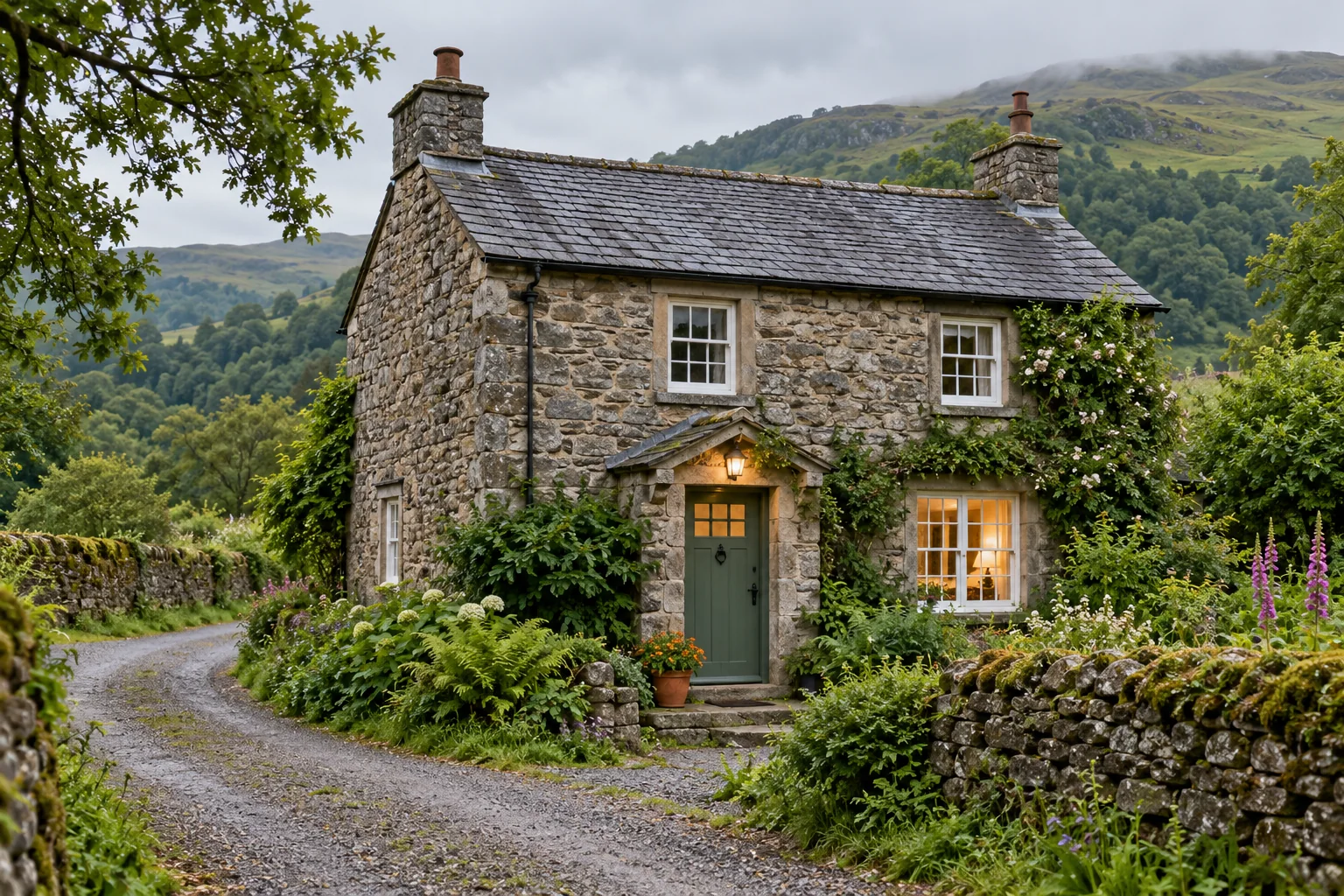
AI-created editorial illustration. Settings, properties and interfaces are fictional.
EXPLORE THE ARTICLE
Pet-friendly can mean a dog may enter one room, or that the whole stay has been designed around guests travelling with dogs. Searchers need the distinction. Good accommodation content answers practical questions before somebody discovers a restriction during checkout.
Establish what the property actually allows
Create a single, maintained policy record covering eligible rooms or units, number of pets, charges, advance arrangements and areas pets may use. Explain relevant rules about leaving dogs unattended, cleaning, dining spaces and shared facilities. Keep the booking engine and third-party listings consistent with the website.
Assistance dogs require a separate, appropriately reviewed approach; do not simply apply a leisure-pet fee or blanket pet restriction. Staff should understand the property's responsibilities and the process for discussing access requirements. VisitEngland's disabled customer guidance is a useful starting point for that review.
Publish evidence people can use
Show the real outdoor space, surfaces and access route. Describe boundaries accurately: enclosed is a specific claim that should be checked, including gaps and shared access. Do not promise that a garden is escape-proof or suitable for every dog.
Give useful information about washing facilities, waste disposal, storage and nearby walks where it has been verified. If suggesting third-party venues, confirm their current policy and link to their own details. Seasonal restrictions and livestock conditions can change, so assign somebody to maintain recommendations.
Match search intent to a coherent page
Use clear language in the title, introduction and relevant room descriptions. One useful pet-friendly information page can support several rooms through internal links. Avoid creating near-identical pages for every breed, village and phrase variation.
For an illustrative self-catering property, the main page might answer the accommodation search, while a dedicated policy page explains the fee and restrictions. A verified walking guide can then support trip planning. Those pages have different jobs and should connect naturally, rather than compete with repeated descriptions.
Keep policy visible through booking
Show eligible availability and the actual pet charge before payment. If the booking system needs a special request, explain whether that request guarantees acceptance or requires confirmation. Preserve the number of pets through the handover where supported and check the confirmation message.
Test a booking for a pet-eligible unit and an ineligible unit. Check what happens when all suitable rooms are unavailable. A friendly photograph should not lead into an unrestricted room list that leaves the guest to identify the right option.
Measure fit as well as visits
Review relevant search queries, bookings for eligible accommodation, policy questions and avoidable changes after reservation. A clearer restriction may reduce unsuitable enquiries while improving the guest experience; a traffic decline alone does not settle that judgement.
Use holiday cottage SEO for the broader search architecture and room-page optimisation for accommodation detail. Our hotel SEO service brings policy accuracy, useful content and the bookable inventory together.
PUT IDEAS INTO PRACTICE
Explore niche search
Connect these ideas with a practical plan for your business.