INSIGHTS / TOURISM & HOSPITALITY
Destination Guides That Support Hotel SEO Without Becoming Generic
Create destination guides from the questions guests ask when staying at your property, with verified local detail and a clear connection to the visit.
Digital Yak · Updated
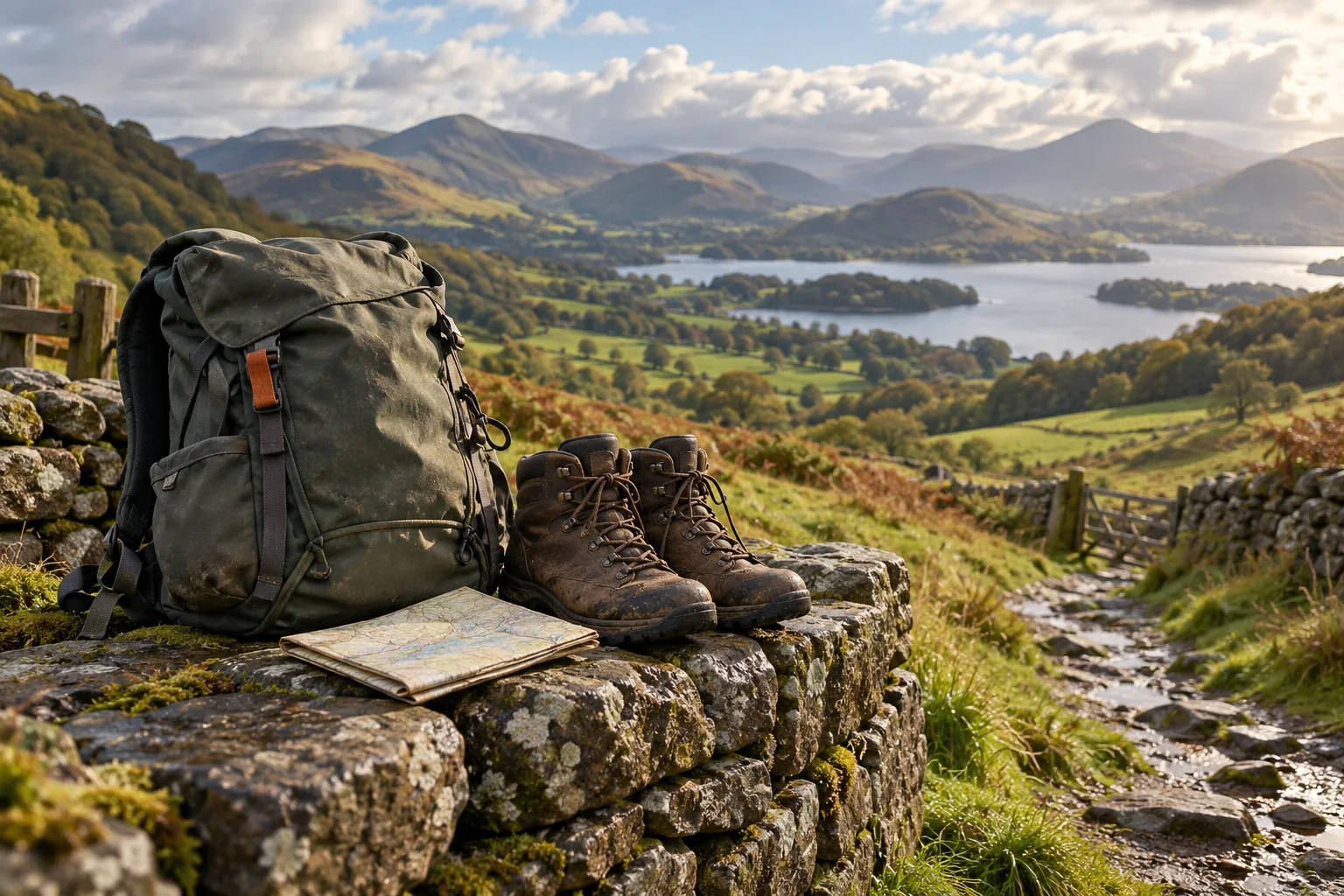
AI-created editorial illustration. Settings, properties and interfaces are fictional.
EXPLORE THE ARTICLE
A destination guide becomes useful when it helps someone plan from a particular base. A generic list of popular attractions may be easy to produce, but it rarely explains the practical choices a guest faces. Begin with the property's actual location and knowledge.
Choose a real planning task
Use questions from reservations and reception: how to plan a day without a car, what requires advance booking or how to organise an arrival-day activity. Keep guest identities out of the research record.
Define who the guide helps and what decision it supports. A short-stay itinerary and a detailed access resource have different jobs. Avoid trying to answer every possible destination question on one page.
Gather details you can verify
Check relevant operator information, transport links, opening arrangements and booking requirements. Use first-hand observations where they exist and identify what was checked externally. Do not manufacture staff recommendations, journey times or access claims.
Record sources, checked dates and an owner for updates. Time-sensitive information should link to the current authoritative source where practical rather than become a stale timetable on the hotel's blog.
Explain the property's connection
Show how the activity or route relates to arrival, departure and the stay. Explain relevant facilities the property actually provides, such as a verified storage or drying arrangement. Do not imply a partnership, inclusion or guarantee that does not exist.
For an illustrative guide brief, plan a day with a clear start, the decisions to check beforehand and a fallback if conditions change. The value lies in the planning detail rather than a longer list of place names.
Build a useful route through the site
Link to accurate room, facility, arrival and availability information where relevant. Keep the guide educational rather than interrupting every section with a booking prompt. Link to complementary guides only where they advance the task.
Destination-page structure explains when a place deserves a broader evergreen page. Itinerary-led content focuses on activity planning.
Maintain and evaluate
Review the resource before relevant seasons and when operators or routes change. Keep corrections visible in the editorial record. Avoid creating another near-identical annual guide when the existing URL can be maintained.
Assess useful guest questions, relevant visits and assisted bookings with appropriate attribution limits. Explore tourism SEO for help developing a distinctive, maintainable content plan.
Brief a guide from the reception desk
Ask the hosting team for a small set of recurring planning questions and choose one they can answer from verified knowledge. Record the intended guest, starting point, source of practical facts and relationship to the stay. Avoid beginning with a list of high-volume landmarks and fitting the property around it afterwards.
For an illustrative car-free guide, check the actual arrival route, current operator information and how a guest reaches the suggested activity. State uncertainty and link to live transport details rather than promising a fixed journey time. Do not imply transport is included when it is not.
Give the guide a clear maintenance owner and review trigger. Changes in opening, booking requirements, access or the property's service can make an otherwise attractive article unhelpful. Keep old seasonal claims out of permanent copy.
After publication, review relevant searches and onward journeys to suitable accommodation. Useful informational readership can have value, but do not count every guide session as a booking assist without supporting evidence. Improve the practical gaps guests report before commissioning more generic destination content.
PUT IDEAS INTO PRACTICE
Explore ai & visibility
Connect these ideas with a practical plan for your business.