INSIGHTS / TOURISM & HOSPITALITY
Creating Distinctive Destination Pages for Hospitality Websites
Create destination pages from the property's real location and first-hand knowledge, with specific trip-planning value and a clear relationship to the stay.
Digital Yak · Updated
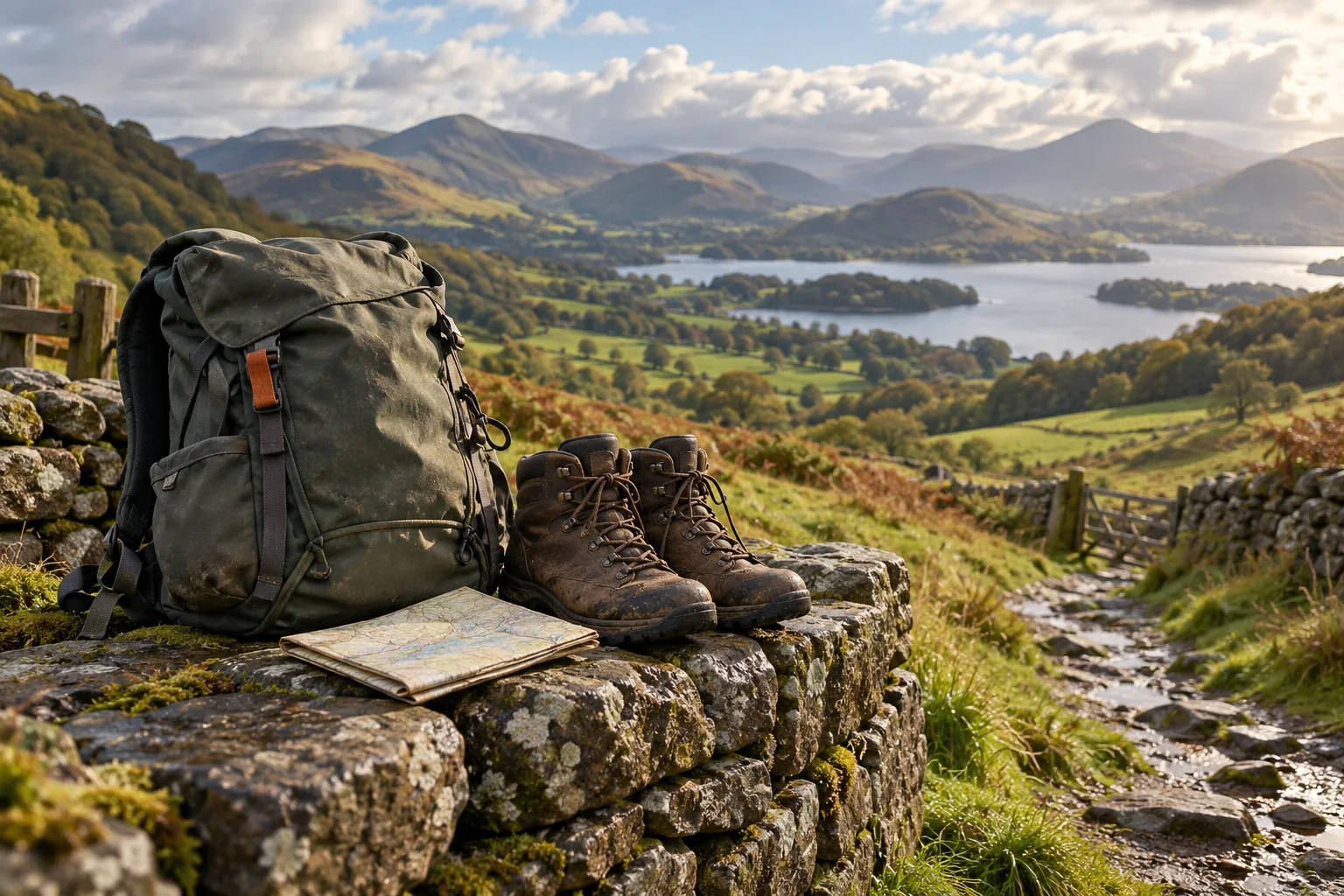
AI-created editorial illustration. Settings, properties and interfaces are fictional.
EXPLORE THE ARTICLE
A destination page should help a guest understand what staying at this property makes possible. Repeating a destination's best-known landmarks adds little when the page cannot explain travel, suitability or the local experience. Begin with questions the reception or hosting team can answer well.
Give the page a specific purpose
Choose a decision such as planning a car-free short break, finding wet-weather options or understanding the area around the property. Check that the team has useful evidence and can maintain the information.
Keep the destination guide distinct from the commercial accommodation page. The guide can explain the area and link to relevant rooms or stays; it does not need to repeat the full booking proposition. Destination guide planning covers this wider content architecture.
Gather original, verifiable detail
Use a small source brief: who checked the information, when, where the fact came from and how it relates to a guest's journey. Verify routes, travel arrangements, opening information and booking requirements against the relevant operator's current material.
Do not invent walking times from a map screenshot or present a driving estimate as a promise. Distinguish measured distance, an indicative journey and conditions that can affect it. For routes and outdoor activities, link to appropriate current operational information rather than treating a marketing page as safety advice.
Show the property's perspective
Explain the real starting point, practical sequence and choices. An illustrative rainy-day guide might compare one nearby indoor visit with a longer outing, making clear which needs advance tickets and whether the hotel restaurant is open on return. Every detail must be checked for the actual property before publication.
Use authorised photographs that show the place described. Label illustrative imagery, and do not suggest a distant attraction is on the doorstep. Local knowledge becomes useful through precise observations, not repeated claims of hidden gems.
Avoid a page for every place name
Before adding a village or landmark page, ask whether it answers a distinct visitor need with enough original information. A small section within a stronger destination guide may serve the reader better. Repeated paragraphs with a changed town name create a maintenance burden and weak differentiation.
Link related topics naturally: the relevant accommodation, current access information, a suitable itinerary and the operator's official details. Keep the main route back to availability visible without interrupting every paragraph with a booking prompt.
Maintain and evaluate the guide
Assign ownership for seasonal changes and broken external links. Review search queries, relevant room-page visits, booking assists and guest questions. Treat an increase in informational traffic as a signal to investigate, not proof of accommodation revenue.
Retire or revise material that no longer helps guests. Our tourism SEO support connects distinctive destination knowledge with the commercial pages and booking journey it should support.
PUT IDEAS INTO PRACTICE
Explore destination content
Connect these ideas with a practical plan for your business.