INSIGHTS / CUMBRIA & LAKE DISTRICT
How Tourism Seasonality Changes Local Search Demand in Cumbria
Plan Cumbria tourism content around observed research and booking windows, with current operational information and clearly maintained seasonal resources.
Digital Yak · Updated
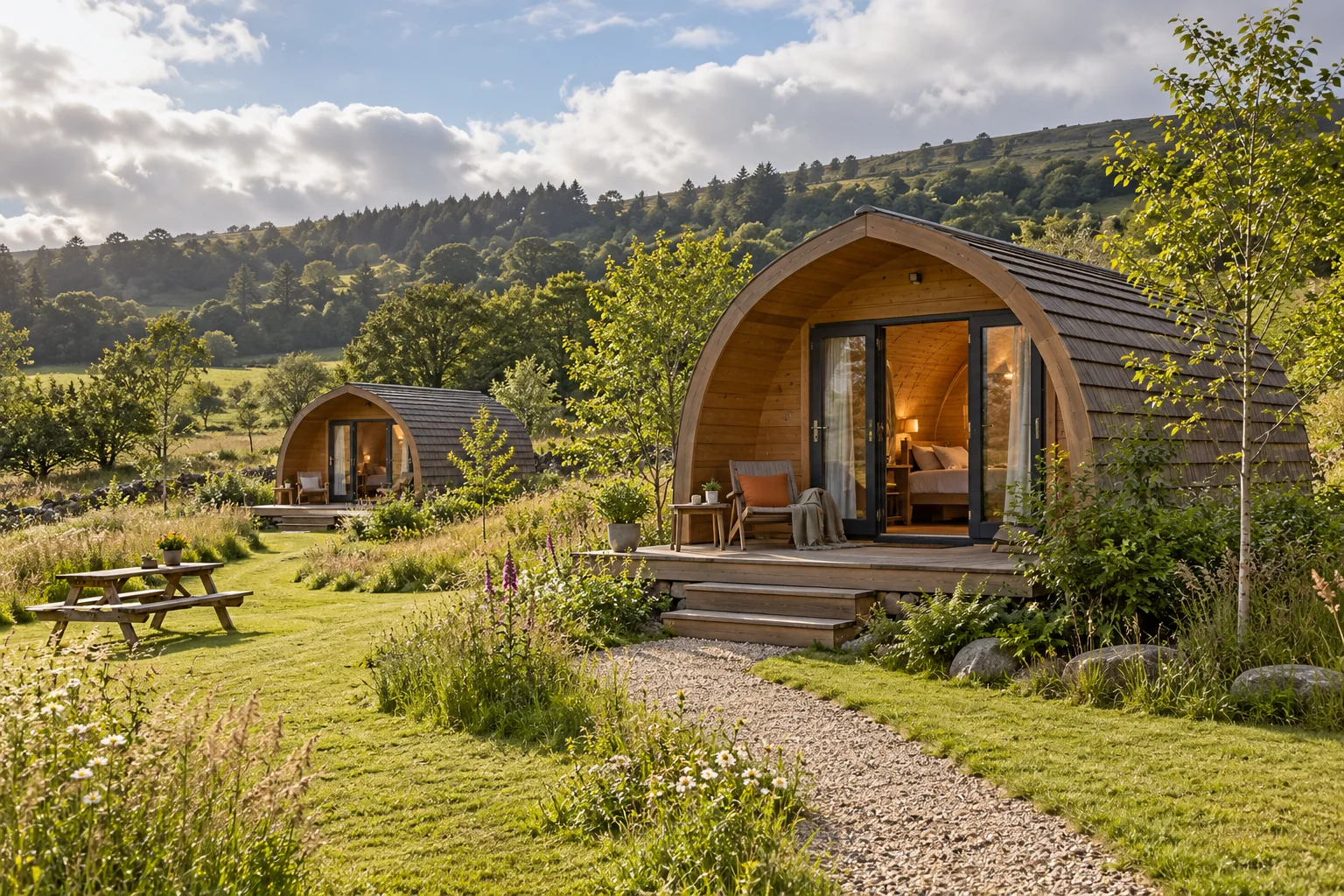
AI-created editorial illustration. Settings, properties and interfaces are fictional.
EXPLORE THE ARTICLE
Seasonality affects when people investigate a visit, make a reservation and arrive. Those dates are not interchangeable. A regional marketing calendar should use the business's own evidence rather than assume every tourism operator follows the same pattern.
Compare the three timeframes
Review relevant search trends, booking dates and arrival or visit dates separately. Compare appropriate periods and note changes in inventory, prices, weather and events. A single strong month does not establish a permanent seasonal rule.
Use current authoritative sources for school holidays, event dates and transport details when they are relevant. Do not infer dates or opening arrangements from an old guide.
Assign content to a real task
Identify what visitors need before choosing: accommodation configuration, suitable experiences, arrival arrangements or weather policies. Confirm the information with operations and relevant providers.
For an illustrative calendar entry, connect a proposed family visit period with the actual facilities and booking requirements. The useful output is a checked information and availability plan, not a generic seasonal slogan.
Maintain stable useful resources
Update an evergreen planning page when its underlying question recurs. Use separate dated pages for genuinely time-limited events or offers where appropriate. Keep expired details from misleading visitors who arrive through old links.
Record the owner, sources and next review point. Seasonal tourism SEO explains the wider publishing method.
Review results after the visit period
Compare relevant enquiries, reservations, cancellations and completed visits using consistent definitions. Account for capacity and rate changes before attributing a result to content.
Keep the next year's plan responsive to evidence rather than automatically repeating the same campaign. Explore tourism and hospitality marketing for help connecting regional information with actual demand and availability.
Build a three-date content calendar
For a seasonal offer, record when people research it, when they are likely to book and when the visit happens. Use the business's own history and current evidence, with uncertainty marked. These dates can be weeks or months apart and should not be collapsed into the arrival month.
Attach the content task to the relevant decision. A maintained accommodation guide may support early research, current availability helps booking, and practical arrival information supports the visit. Update stable resources rather than creating a new near-duplicate article for each year.
For an illustrative autumn break, check inventory and the actual offer before the research period begins. Later campaign messages should reflect current availability, while pre-arrival communication should use the guest's real reservation and appropriate permissions.
After the stay period, compare like cohorts and note weather, events, opening changes and capacity. A peak in traffic may describe interest without producing available-date bookings. Record the lesson for the next cycle, including what the data cannot establish, and give the calendar an operational owner.
PUT IDEAS INTO PRACTICE
Explore regional
Connect these ideas with a practical plan for your business.