INSIGHTS / TOURISM & HOSPITALITY
Content Marketing for Heritage Attractions and Museums
Connect heritage interpretation with the practical information visitors need to plan, access and book a museum or heritage attraction.
Digital Yak · Updated
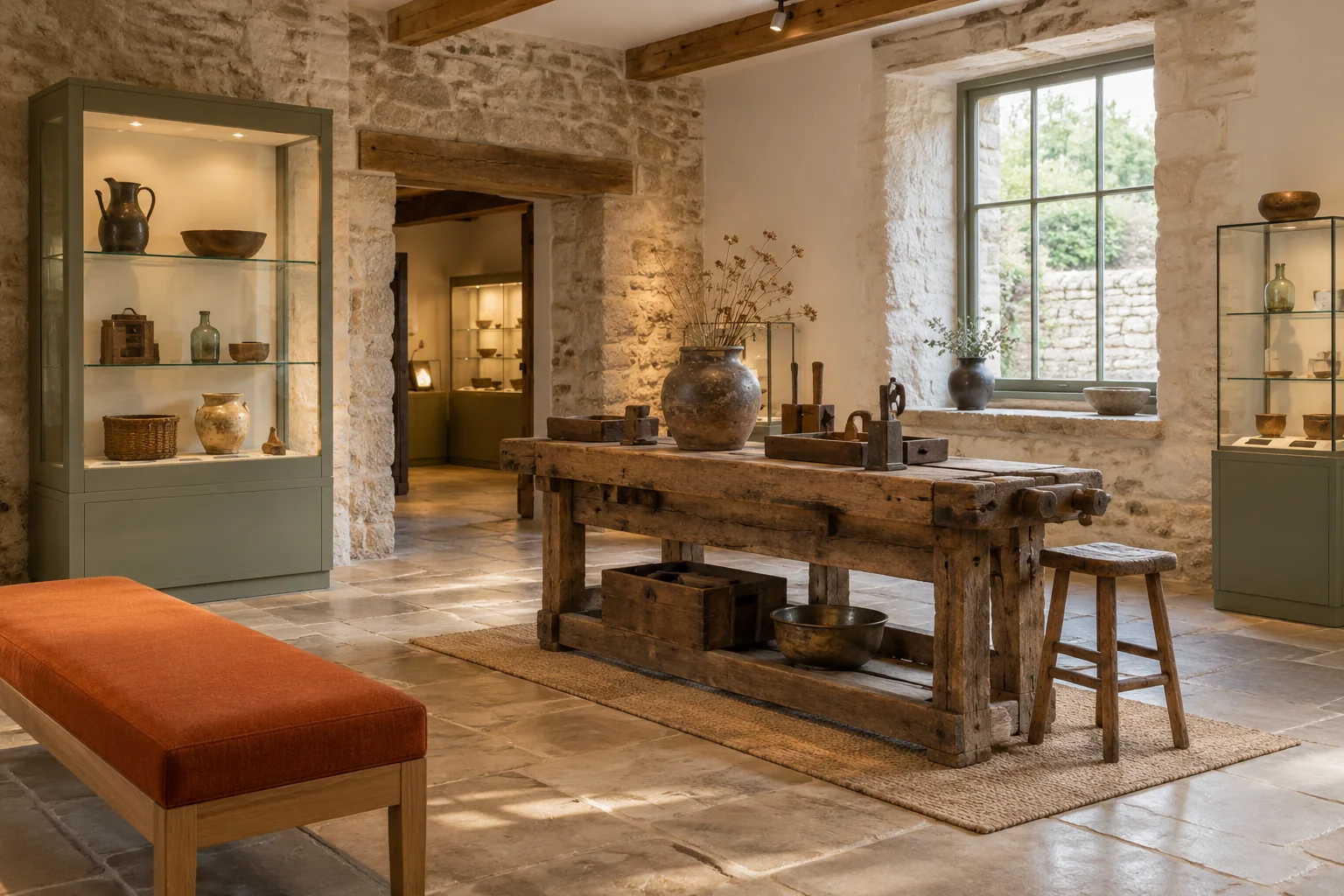
AI-created editorial illustration. Settings, properties and interfaces are fictional.
EXPLORE THE ARTICLE
A heritage attraction has more stories than it can place on a ticket page. The editorial task is to choose stories that matter to visitors and connect them to an accurate account of the current experience. Historical interest and practical trip planning should support one another.
Separate permanent stories from current arrangements
Identify the core collection or site story, temporary exhibitions, events and essential visitor information. Give opening times, tickets, access, facilities and arrival arrangements a clear home. Do not bury current closure information inside an old news article.
Explain which areas a ticket covers and whether a particular object, room or experience is currently available. Keep dated exhibition pages useful as an archive where appropriate, while clearly distinguishing them from bookable current events.
Build interpretation from reliable evidence
Work with the relevant curator, researcher or subject owner. Record sources, rights and the limits of uncertain historical claims. Distinguish documented fact, interpretation and an illustrative reconstruction. Avoid presenting a generated scene as an authentic historical photograph.
Choose a focused question or object story and write for the intended visitor. A clear explanation can invite deeper reading without reproducing the entire collection catalogue. Link to further authoritative material where it helps.
Help different visits take shape
Explain realistic visit duration, family arrangements, seating, sensory conditions and available access information where verified. A teacher planning a group and a couple arriving for an afternoon need different practical detail, even when they share an interest in the collection.
For an illustrative temporary exhibition, a useful content set includes the exhibition page, a curator-led object story and a maintained visit page. The article links to the exhibition's current dates and ticket conditions. When the exhibition closes, the story can remain while its booking prompts are updated.
Make media and rights review part of production
Confirm permission for collection images, archive material, quotations and visitor photography. Preserve useful captions and credits. Provide readable alternatives for essential information and captions or transcripts where needed for audio and video.
Avoid hiding access information or event details in a poster image. Accurate accessibility information and ticketing checkout cover two important parts of the practical journey.
Evaluate learning and visits sensibly
Use relevant search activity, engagement with interpretation, ticket journeys and verified bookings as different evidence. An educational reader may value the content without visiting; that is not necessarily a failure for the organisation's wider purpose.
Review current enquiries and staff feedback to identify missing information. Keep marketing objectives aligned with the institution's mission rather than treating every page solely as a sales tool. Our visitor attraction marketing service connects original interpretation with a clear route to planning a visit.
PUT IDEAS INTO PRACTICE
Explore visitor attractions
Connect these ideas with a practical plan for your business.