INSIGHTS / CUMBRIA & LAKE DISTRICT
Marketing Outdoor Adventure Businesses in the Lake District
Market Lake District adventure experiences through original operational knowledge, clear suitability information and a booking journey that reflects the real activity.
Digital Yak · Updated
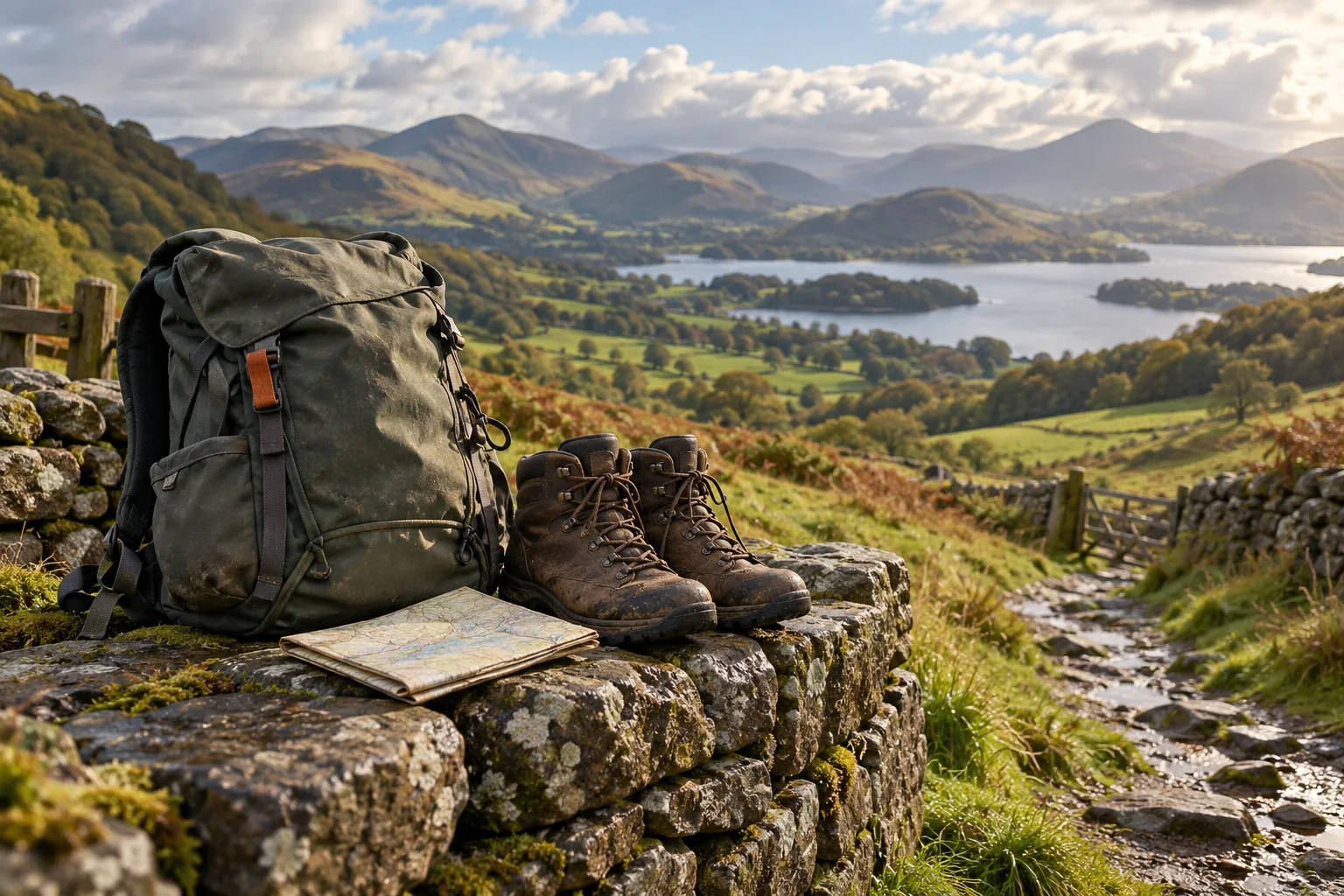
AI-created editorial illustration. Settings, properties and interfaces are fictional.
EXPLORE THE ARTICLE
The Lake District can attract visitors with very different expectations of an outdoor experience. Some want an introduction with a guide; others are researching a specific challenge or a private group departure. A useful website helps them understand the actual service before the landscape imagery takes over.
Define the experience the business delivers
Describe the activity, departure arrangements, duration, group format and inclusions. Distinguish guided, instructed and self-guided services accurately. Verify the team's roles and any relevant credentials, without implying accreditation beyond its actual scope.
Use real enquiry questions to identify uncertainty about previous experience, equipment, transport and the day's structure. Keep safety, fitness and suitability wording under the review of the responsible operational professional. Marketing should not make those assessments independently.
Show regional knowledge through practical detail
Explain the real meeting process, travel considerations and how visitors receive current instructions. Use verified facts and appropriate official sources for conditions, transport or access. Avoid promising a fixed journey time or route where conditions can materially alter it.
An illustrative page for a guided day could explain the planned character of the experience, what participants arrange and how changes are communicated. It should not guarantee a summit, wildlife sighting or weather condition that the provider cannot control.
Build content around distinct decisions
Use activity pages for the bookable offer and itinerary content for the sequence of the day. A regional guide can help visitors plan the wider stay, with links to current providers and relevant access information.
Create separate pages for materially different experiences rather than many minor variations of an activity and town name. Original photographs, clear explanations and maintained details provide more value than repeated claims of unforgettable adventure.
Make booking and questions straightforward
Show current availability or explain the enquiry process. State what the displayed price covers, the relevant group assumptions and where terms can be found. A request for a private departure must not look like an instantly confirmed place.
Provide a suitable route for individual requirements without encouraging sensitive details in public comments. Test the booking journey on a phone, including date changes and an unavailable session. Keep the confirmation consistent with the website's promise.
Use genuine local partnerships
Work with accommodation and visitor businesses where the relationship helps someone plan a trip. Clarify who supplies each service, who confirms it and whether a referral arrangement exists. Tourism co-marketing explains how to make that handover useful.
Review relevant enquiries, bookings, recurring questions and operational fit alongside search activity. Our visitor attraction marketing support connects the region's appeal with accurate information about the experience people can actually buy.
PUT IDEAS INTO PRACTICE
Explore outdoor economy
Connect these ideas with a practical plan for your business.