INSIGHTS / TOURISM & HOSPITALITY
Landing Pages for Group Stays, Reunions and Retreats
Help group organisers establish suitability, capacity and next steps with landing pages that explain the real accommodation and enquiry process.
Digital Yak · Updated
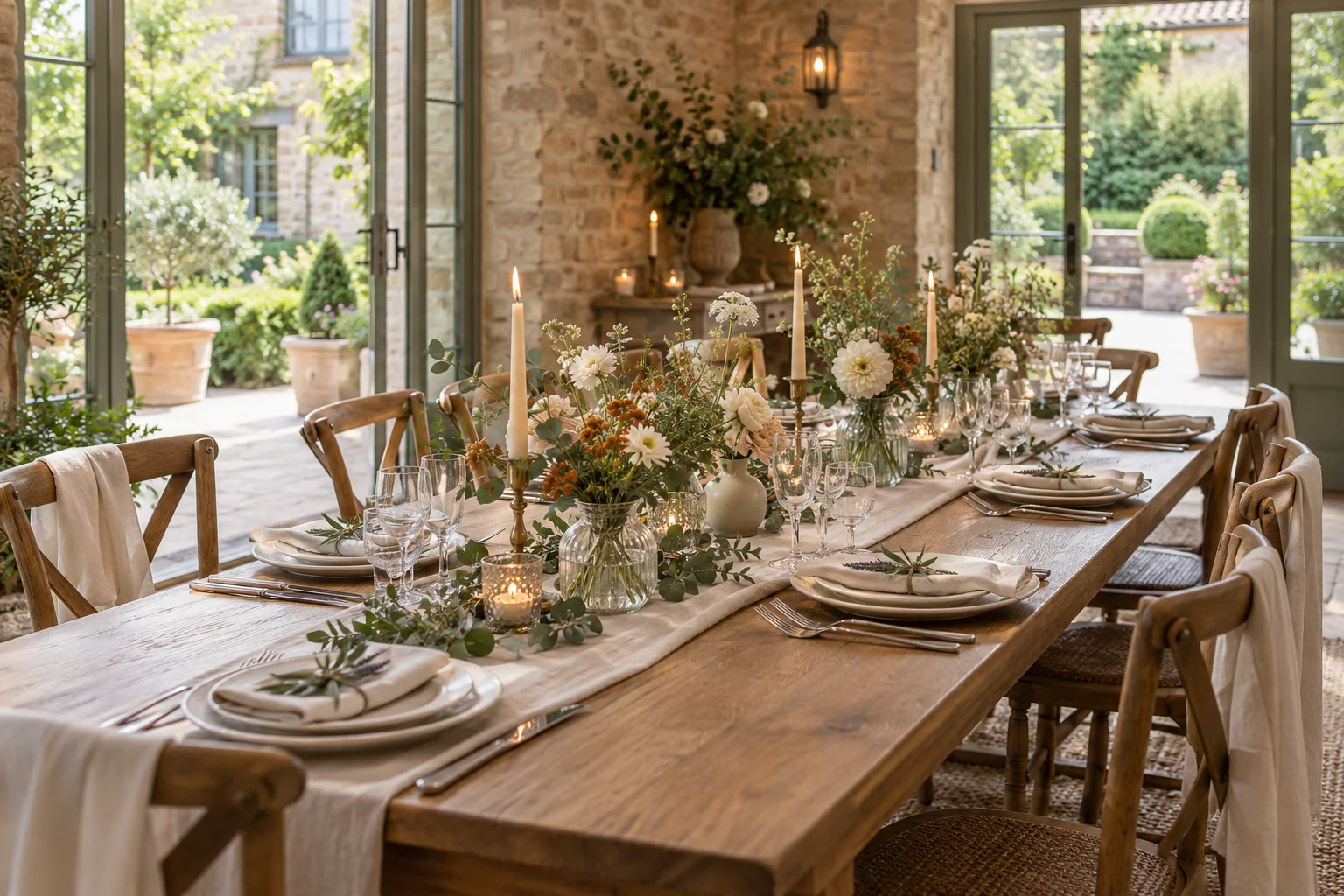
AI-created editorial illustration. Settings, properties and interfaces are fictional.
EXPLORE THE ARTICLE
The person arranging a reunion or retreat is often answering questions on behalf of several households. A gallery and a maximum occupancy number rarely give that organiser enough confidence to enquire. The page needs to explain how the group will actually stay, eat, meet and make decisions.
Separate group needs where the offer differs
Reunions, facilitated retreats and business gatherings may share a building while requiring different evidence. A family organiser may need bedroom configurations and child arrangements. A retreat leader may need usable meeting space, equipment and catering options. Publish separate pages only where the service and information are materially different.
Describe what the property supports and any restrictions honestly. Do not imply exclusive use, permission for events or a particular room layout merely because a large group can sleep on site.
Show capacity in practical terms
Explain bedrooms, bed configurations, bathrooms, dining seats and shared spaces. Distinguish seated meeting capacity from maximum overnight occupancy. Use a labelled floorplan or room schedule that can be understood without interpreting atmospheric photographs.
Include verified access information, parking arrangements, arrival logistics and the relationship between separate buildings. State which facilities are shared with other guests. Link to detailed accessibility information so people can assess their own requirements.
Make the commercial questions answerable
Explain the pricing basis, minimum stay, deposit process, cancellation terms and what an enquiry commits the organiser to. Where prices depend on dates and arrangements, identify those variables instead of offering a misleading headline total.
Use a concise enquiry form asking for preferred dates, flexibility, approximate group size, occasion and contact details. Make free-text requests optional where possible, and avoid asking one organiser to disclose sensitive information about every attendee. Provide a suitable route to discuss individual requirements privately.
Illustrative page brief: a small retreat
Imagine a property that can accommodate a retreat but does not provide facilitation. Its page should say who supplies the programme, which room is available for sessions, when catering operates and whether equipment is included. The enquiry response should confirm room availability and the proposed arrangement before taking a deposit.
A useful image sequence shows sleeping arrangements, the actual session room, dining space and arrival route. Decorative lifestyle images should not imply that unavailable equipment or services form part of the booking. Label optional extras and third-party services clearly.
Design for an organiser who shares information
Provide a stable page that can be sent to other group members, readable room information and a clear contact owner. If a downloadable brief is useful, keep its version and terms aligned with the website. Do not put all essential facts in a brochure that requires personal details to access.
Measure qualified group enquiries, follow-up time, proposals and confirmed events, with reasons for unsuitable requests. A high form count can conceal a capacity mismatch. Hotel events marketing explains the later sales stages; website design support can make this journey coherent from the first visit.
PUT IDEAS INTO PRACTICE
Explore events & groups
Connect these ideas with a practical plan for your business.